Retro Christmas Tree Funny Sublimation: A Designer's Take
When I first pulled up the Retro Christmas Tree Funny Sublimation file on my screen, I didn't immediately think about stitching. My mind went to the vibe. It has that specific mid-century modern charm mixed with a dash of irreverent humor that sells incredibly well during the holidays. As someone who spends most of their day digitizing and reviewing designs for real-world application, I look past the pretty preview images. I want to know how this Illustrations piece translates from a digital asset into a tangible, stitched handmade product. Does it hold up under the needle? Will it make a client smile, or will it look muddy on a textured fabric?
The Visual Personality and First Impressions
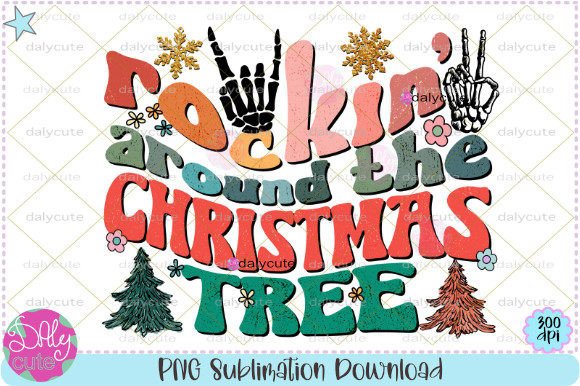
The immediate appeal of Retro Christmas Tree Funny Sublimation lies in its bold lines and playful character. Unlike traditional, overly ornate holiday motifs that can get lost in translation when converted to thread, this design relies on strong shapes. For an embroidery project, this is a massive win. Strong shapes mean clear boundaries for your fill stitch areas and defined paths for your satin stitch outlines. The "funny" element suggests a quirkiness that breaks the monotony of standard pine tree motifs, making it perfect for customers looking for something unique rather than generic.
However, because this originates as a sublimation-ready graphic, there is a critical step before you hoop your fabric. You cannot simply feed a sublimation PNG into your embroidery machine. This design needs to be evaluated as a potential machine embroidery design source. If you are purchasing the digital file to have it digitized, or if it comes as an embroidery file inspired by this art style, you need to assess the complexity. The retro aesthetic often uses flat colors and geometric simplification, which is ideal for keeping stitch counts manageable and preventing puckering on lighter fabrics.
Real-World Application: The Holiday Tote Scenario
Let's walk through a realistic scenario. Imagine a local boutique owner approaches you to create a limited run of canvas tote bags for their December pop-up shop. They want something festive but not childish. This is where Retro Christmas Tree Funny Sublimation shines. Canvas provides a stable base with enough tooth to grip the threads without sinking.
In this context, the design would likely work best as a central focal point. If you are using an applique design approach, you could cut the tree shape from a contrasting felt or wool blend and stitch over it, giving it a fantastic tactile quality that elevates the perceived value of the finished product. Alternatively, a dense fill stitch on the tree body with a clean satin border would pop beautifully against the natural beige of the canvas. The humor in the design acts as a conversation starter, increasing the likelihood of impulse buys at a craft fair.
For custom apparel, imagine this on the pocket of a heavy-weight crewneck sweatshirt. The retro color palette—likely involving mustard yellows, burnt oranges, or teal greens alongside traditional reds—would look stunning against heather grey or navy blue fleece. The key here is ensuring the stitch density isn't too high, which could make the patch stiff and uncomfortable against the skin. A slightly lower density allows the fabric to breathe and drape naturally.
Navigating Fabric Challenges and Technical Constraints
While the design is charming, we must address where it might struggle. Not every surface is created equal. If you plan to use Retro Christmas Tree Funny Sublimation on a stretchy knit, like a baby onesie or a thin t-shirt, caution is required. Stretchy fabrics move; embroidery does not. Without the proper stabilizer, your crisp retro lines will warp, and the "funny" face on the tree might end up looking distorted after the first wash. For these projects, a cut-away stabilizer is non-negotiable to maintain the integrity of the embroidery project.
Textured fabrics present another hurdle. If you are stitching onto a waffle-knit towel or a rough linen pillow cover, fine details can get swallowed by the fabric's texture. The retro style usually avoids microscopic detail, which helps, but you must still verify the thread colors provide enough contrast. A dark green tree on a black apron might look sleek in a mockup but disappear entirely in real life. Always test your design on scrap fabric that matches your final material. This simple step saves hours of frustration and prevents ruined inventory.
Curved surfaces, such as caps, require special attention. The center of a cap is small, and the curvature can distort wide designs. If the Retro Christmas Tree Funny Sublimation layout is too wide, it might wrap awkwardly around the sides of the hat. In this case, you might need to resize the hoop size or adjust the placement to ensure the visual personality remains intact. Tiny lettering, if included in the funny caption, should be scrutinized. Small text often becomes illegible when stitched, especially on plush fabrics. If the text is crucial, consider switching to a direct print or sublimation method for that specific element while embroidering the tree itself.
Commercial Value and Brand Consistency
For Etsy sellers and creative entrepreneurs, the visual appeal of your listing photos can make or break a sale. This design offers excellent potential for printable mockups and digital previews because of its distinct style. However, the true value lies in the physical quality. A well-executed stitch out builds customer trust. When a buyer receives a personalized gift that feels durable and looks professional, they are more likely to return.
Using Retro Christmas Tree Funny Sublimation as part of a cohesive holiday collection can strengthen your brand identity. If your small shop specializes in quirky, modern holiday decor, this design fits right in. It signals to your audience that you understand current trends and aren't just recycling the same old clipart. For commercial embroidery projects, consistency is key. Ensure that every unit you produce maintains the same tension and thread quality. Inconsistencies in a batch of fifty tote bags can damage your reputation faster than a bad design choice.
Practical Notes for the Working Designer
Before you commit to a full production run, keep these practical checkpoints in mind:
- Test First: Always stitch a sample on scrap fabric identical to your final product. Check for puckering, registration issues, and color accuracy.
- Contrast Check: View your design in black and white. If the elements blend together without color, your stitch definition might be poor.
- Density Review: Ensure the fill stitch isn't so dense that it creates a cardboard-like feel, especially on wearables.
- Hoop Compatibility: Confirm the design fits within your available hoop size without needing excessive re-hooping, which risks misalignment.
- Licensing Verification: Since this is marketed as a sublimation design, double-check the license terms before selling embroidered versions. Some artists allow personal use only, while others permit commercial design assets usage.
- Stabilizer Selection: Match your stabilizer to the fabric weight. Water-soluble tops can help prevent needle drag on plush items.
Ultimately, Retro Christmas Tree Funny Sublimation represents a bridge between digital art trends and tactile craftsmanship. With the right preparation, attention to fabric mechanics, and a keen eye for detail, it can transform a simple piece of cloth into a cherished holiday keepsake. Whether you are making a single baby embroidery item for a friend or scaling up for a small shop product line, the success of the project depends on respecting both the art and the medium.