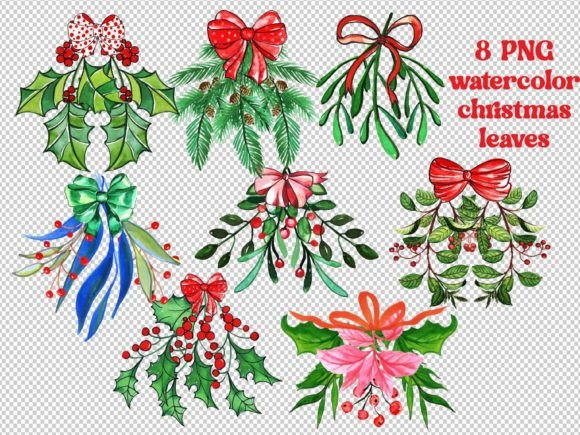
Watercolor Christmas Leaves: A Designer's Stitch Review
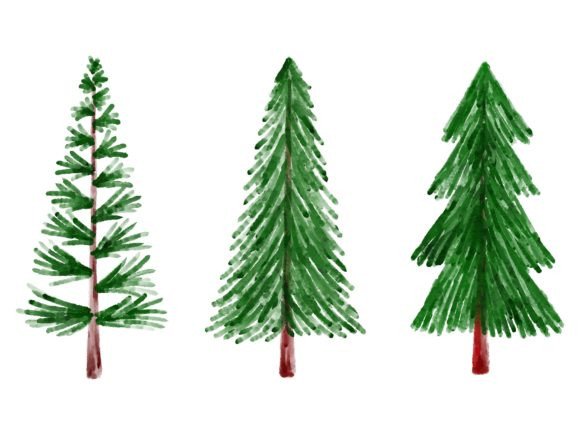
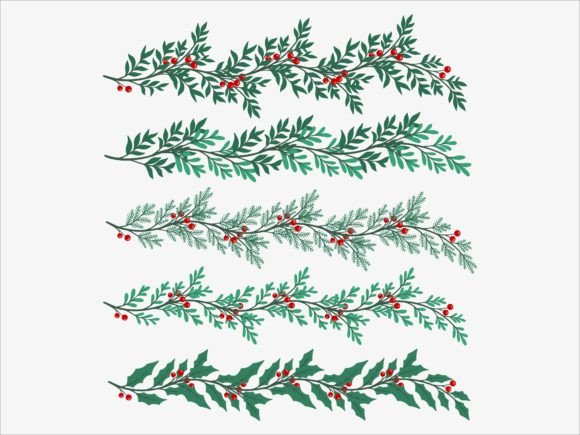
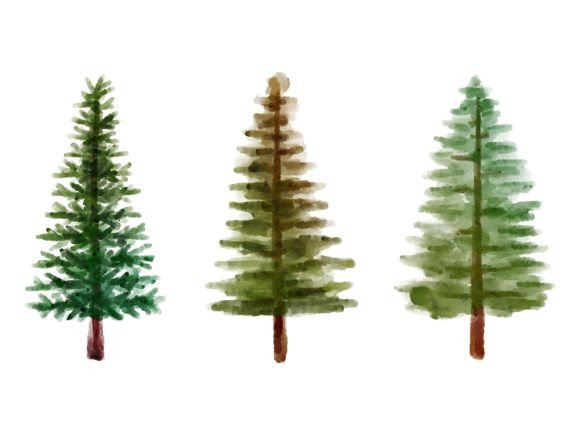
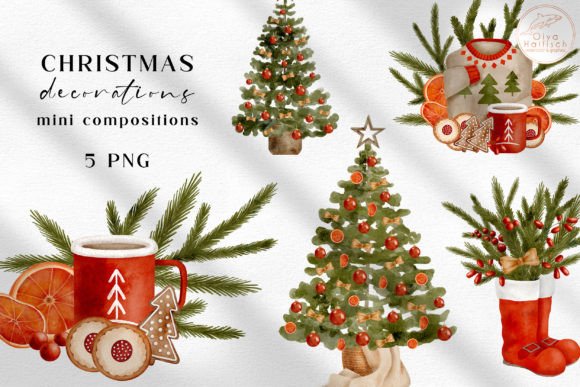
When I first pulled up the Watercolor Christmas Leaves file on my screen, I wasn't looking for another generic holiday motif. As someone who spends hours digitizing and stitching for clients, I need designs that hold up under the needle while retaining their artistic soul. This piece falls squarely into the Illustrations category, which immediately raises a flag for me: how will these soft, painterly edges translate into actual thread? The initial impression is one of gentle festivity. It avoids the harsh, blocky look of traditional clip art, offering instead a fluid arrangement of foliage that feels organic and modern. For a designer, this suggests a project that appeals to customers looking for boutique-quality items rather than mass-produced goods.
Translating Soft Edges into Thread
The core challenge with any design mimicking a watercolor effect is managing the transition between colors without creating a muddy mess of thread. In reviewing Watercolor Christmas Leaves, the layout appears thoughtful. The leaves are not cluttered; they have breathing room, which is crucial for maintaining clarity in a machine embroidery design. If you are planning to use this as an applique design, the shapes seem distinct enough to cut cleanly. However, if you are running this as a full fill, you need to pay close attention to the stitch density. Watercolor styles often rely on lightness, but embroidery requires coverage. My instinct tells me this design likely uses a mix of satin stitch for outlines and lighter fill stitch or running stitch patterns to simulate the wash of color. This balance is vital; too dense, and you lose the "watercolor" feel, turning it into a solid plastic-looking patch. Too light, and the fabric shows through, ruining the illusion.
Real-World Application: The Holiday Tote Scenario
To truly evaluate this embroidery file, I imagined a specific real-life scenario: a custom order for a local boutique needing fifty tote bag design options for their December pop-up shop. They wanted something festive but not childish. Watercolor Christmas Leaves fits this brief perfectly. On a canvas tote, the texture of the fabric can sometimes swallow fine details, but the bold shapes of these leaves should stand out well. I visualized stitching this onto a natural cotton bag using deep forest greens and muted reds. The result would likely be a sophisticated handmade product that customers would feel good carrying around town. It elevates the perceived value of the bag from a simple utility item to a seasonal fashion accessory. For an Etsy seller, this kind of versatility is gold. It allows you to market the same design across different price points, from simple tea towels to premium custom apparel.
Choosing the Right Substrate
Not every fabric is a friend to this style of illustration. While the design shines on medium-weight cottons and linen blends, I would exercise caution with highly textured fabrics like thick wool sweaters or looped terry cloth. The subtle gradients that give Watercolor Christmas Leaves its charm might get lost in the pile of a towel or the fuzz of a sweatshirt. Similarly, stretchy knits require careful handling. If you are attempting sweatshirt embroidery with this file, your choice of stabilizer becomes the most critical variable. A cut-away stabilizer is non-negotiable here to prevent the design from distorting as the garment stretches during wear. For rigid items like pillow covers or aprons, the design should stitch out cleanly with minimal fuss, provided your tension is dialed in correctly.
Commercial Viability and Brand Consistency
For those running a craft business, consistency is key. You cannot afford a design that looks great on the screen but fails on the hoop. Watercolor Christmas Leaves appears to have a professional structure that supports brand consistency. Whether you are creating printable mockup images for your online store or stitching the actual finished product, the visual identity remains strong. It conveys a sense of warmth and tradition without feeling dated. This is particularly important for commercial embroidery projects where you are selling to third-party retailers. They need assets that look cohesive in a catalog. The design's ability to work as a standalone focal point or as part of a larger composition makes it a versatile asset in your library of design assets.
Technical Considerations for the Maker
Before you commit to a production run, there are practical steps every experienced maker should take. First, always test the design on scrap fabric that matches your final material. Check the thread colors against both light and dark backgrounds. A design that pops on white might disappear on navy blue unless the digitizer included underlay stitches or specific contouring. Since exact specifications like hoop size and stitch count are not provided in this overview, you must verify these details in the file description before purchasing. Ensure the design fits your smallest hoop if you plan on doing baby embroidery on onesies, where space is limited. Also, inspect the tiny corners of the leaves. In watercolor styles, points can sometimes become rounded or blunt if the stitch angles aren't sharp enough. If the design includes any minute lettering or intricate inner details, consider whether those will survive frequent washing. A personalized gift is only as good as its longevity.
Final Verdict for the Seasonal Maker
In the landscape of holiday designs, Watercolor Christmas Leaves stands out as a refined choice for the discerning creator. It bridges the gap between digital art and tactile craft. For the small shop product lineup, it offers a way to differentiate your inventory from the sea of standard red-and-green motifs. It invites the viewer to look closer, appreciating the nuance of the stitch work. However, success with this file depends entirely on the execution. It demands respect for the materials—good thread, appropriate stabilizers, and the right fabric choices. If you treat it as a premium digital embroidery file and pair it with high-quality production standards, it has the potential to become a bestseller in your holiday collection. Just remember to double-check the licensing terms regarding commercial embroidery usage to ensure you are cleared to sell the physical items you create. With the right preparation, this design is ready to bring a touch of artistic elegance to your next embroidery project.