Christmas Red Cat Illustration: A Designer's Review
As someone who spends more time staring at stitch maps than most people spend watching television, I approach every new machine embroidery design with a mix of excitement and skepticism. We've all been there: you download a file that looks adorable on the screen, only to find out it's a tangled mess of jump stitches or far too dense for standard cotton. That is why I took a close look at the Christmas Red Cat Illustration before committing it to any client projects. This isn't just about whether the image is cute; it is about whether it holds up under the needle and thread in real-world scenarios.
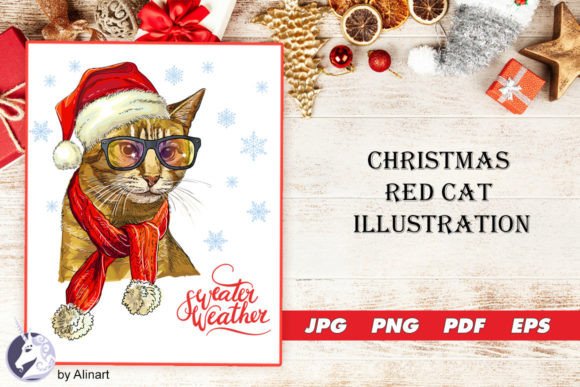
The first impression of this design is its charming simplicity. In the world of holiday motifs, it is easy to get lost in overly complex scenes that lose definition once stitched out. However, this illustration strikes a balance. The lines are clean, suggesting a thoughtful arrangement of satin stitch borders and smooth fill stitch areas. The mood is undeniably festive without being cluttered. For a designer, this visual personality is crucial because it dictates where the artwork can live. It feels right at home on cozy winter wearables or soft home decor, bringing a touch of whimsy that appeals to a broad audience.
Putting the Design to the Test: Real-World Applications
To truly evaluate an embroidery file, you have to imagine it on actual products, not just floating in a digital void. I envisioned using the Christmas Red Cat Illustration for a batch of custom holiday tote bags for a local boutique. The bold red tones would pop beautifully against natural canvas or deep forest green fabric. Because the design relies on strong shapes rather than microscopic details, it translates well to the slightly rougher fabric texture of a tote bag. It would also make an excellent centerpiece for a sweatshirt embroidery project. Imagine a cream-colored crewneck with this cat stitched over the heart; it creates an instant bestseller for any Etsy seller looking to capitalize on the seasonal rush.
Beyond apparel, this design has significant potential for home goods. A set of kitchen tea towels featuring this cat could be a hit as a personalized gift. The layout seems compact enough to fit comfortably on a towel hem without overwhelming the space. Furthermore, for those running a craft business focused on nursery decor, this could be adapted for a baby blanket. However, one must be cautious with baby embroidery; ensuring the back of the stitching is smooth and free of irritating knots is paramount when the end user is an infant. If the digitizing includes proper underlay and clean trims, this design could easily become a staple in a small shop product lineup.
Navigating Technical Challenges and Fabric Choices
While the aesthetic appeal is high, a professional review must address the technical hurdles. No design is universal, and the Christmas Red Cat Illustration requires specific considerations depending on your medium. If you are planning to stitch this on a cap, be mindful of the curved surface. Designs with large solid fill areas can sometimes pucker on structured hats if the stitch density is too high. I recommend running a test on a scrap piece of similar material to see how the fabric reacts.
Similarly, when working with stretchy fabrics like jersey knits for t-shirts, the choice of stabilizer becomes critical. A cut-away stabilizer is likely necessary to prevent the design from distorting after multiple washes. For dark fabrics, the red in the illustration should provide good contrast, but you must verify the thread colors included in the file. Sometimes, digital previews assume a white background, and the shading might get lost on black fabric. If the design includes tiny details or fine lettering, check if they will survive the transition from screen to thread. Small elements often disappear or merge when stitched at smaller hoop sizes.
Another area for caution is the density of the fill. Heavy saturation can make a garment stiff, which is undesirable for something meant to be worn comfortably. If you are creating a finished product like a pillow cover that won't be worn, density is less of an issue. But for an apron or a child's outfit, you want the fabric to remain pliable. Always inspect the stitch path if your software allows it. Look for excessive travel stitches that could create bulk or visible jumps that might need manual trimming.
Enhancing Brand Value and Customer Trust
In the competitive landscape of handmade goods, the quality of your design assets directly impacts your brand reputation. Using a well-digitized illustration like the Christmas Red Cat Illustration signals professionalism to your customers. When a buyer sees crisp edges, consistent color coverage, and no loose threads, they trust the maker. This attention to detail fosters customer loyalty and encourages repeat business. Whether you are selling custom apparel or creating printable mockups for a digital store, the visual clarity of the embroidery defines the perceived value of the item.
For commercial embroidery projects, consistency is key. If you are producing fifty units for a corporate holiday party, you need a design that performs reliably every single time. A robust digital embroidery file minimizes machine errors and reduces waste. This particular illustration, with its clear thematic focus, helps in creating a cohesive collection. It allows you to build a narrative around your holiday line, making your marketing efforts more effective. Customers are drawn to products that tell a story, and a well-executed cat motif adds character and warmth to that story.
Final Verdict and Practical Recommendations
Before you dive into production with the Christmas Red Cat Illustration, here are a few practical steps to ensure success. First, always test the design on scrap fabric that matches your final material. This simple step can save you from ruining expensive garments. Second, review the color palette. You may need to swap out certain shades to better match your brand colors or to improve visibility on specific backgrounds. Third, confirm the licensing terms. Just because a file is available for purchase does not automatically grant unlimited commercial embroidery rights. Ensure you are cleared to sell finished items or if there are restrictions on the number of units.
Additionally, consider how the design looks in different contexts. Create a black-and-white mockup to check the contrast and definition without the distraction of color. This can reveal if the running stitch outlines are distinct enough from the filled areas. Compare the design on both light and dark backgrounds to ensure versatility. If you plan to use this as an embroidered patch, verify that the border is substantial enough to be cut cleanly without fraying.
Ultimately, the Christmas Red Cat Illustration appears to be a versatile and charming addition to any designer's library. It bridges the gap between playful artistry and technical feasibility. By understanding its strengths and respecting its limitations regarding fabric choice and stabilization, you can leverage this design to create stunning holiday embroidery pieces. Whether for a handmade product gifted to a friend or a flagship item in your online store, this design has the potential to bring joy and quality craftsmanship together. Just remember, the secret to great embroidery lies not just in the file itself, but in the care and knowledge applied by the person guiding the needle.